Specification-grade deck, stair, and cable railing systems · Partner since 2003

Industries Using Fortress Metal & Glass Railing

From backyard decks to municipal stairs, we map railing systems to traffic patterns, wind exposure, and finish durability—not one SKU for every elevation.

Application Cards With Spec Detail

Each card names the trade-off you will actually debate in submittals: steel stiffness vs aluminum weight, cable views vs picket privacy, glass clarity vs impact resistance for public decks.

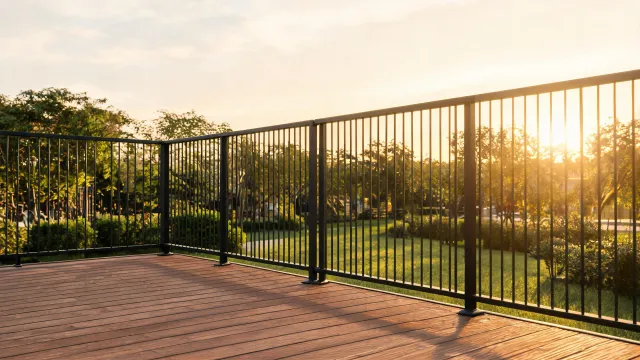
Residential deck railing scene

Residential Decks & Porches

Homebuilders typically pair FE26 steel with wood posts for predictable load bearing capacity on elevated decks (200+ lb concentrated-load targets when installed per guide). When owners want open views, Axis cable replaces pickets—but only after 72 in O.C. post spacing and tension tables are locked for the IRC 4-inch sphere rule. Aluminum enters when coastal UV stability and lighter lifts matter more than steel mass. Water absorption of adjacent decking stays a decking-spec issue; railing finishes focus on coating adhesion (~2–3 mil powder-coat pathways on select lines) and color retention.

  • IRC sphere-rule layouts for pickets and cables
  • Black Sand and satin finish samples for HOA reviews
  • Stair railing packages matched to rise/run schedules
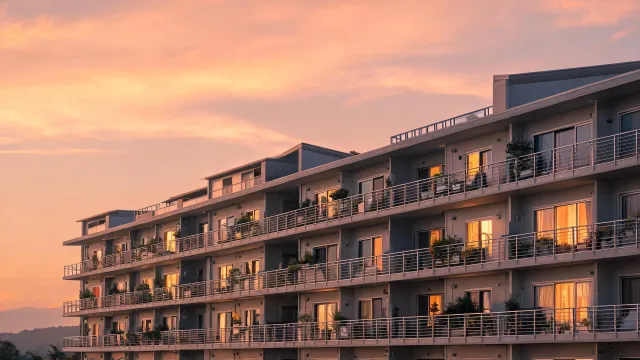
Multi-family balcony railing

Multi-Family & Build-to-Rent

Repeatable balcony rails need batch-consistent powder coat and fastener schedules that installers can memorize across buildings—finish lot codes travel with each wing crate. Dimensional stability of aluminum rails helps when west elevations heat unevenly and steel would telegraph thermal movement into bracket gaps. Developers balancing sustainability mandates with budgets often request recycled content percentage for metal components while keeping capital costs predictable; documentation is issued without overselling LEED points or inventing embodied-carbon scores the mill cannot support.

  • Campus-wide finish lot control
  • Corridor and stair continuity details
  • Service life expectancy notes for property managers
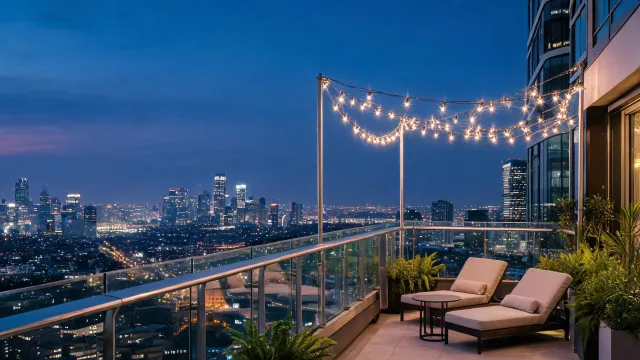
Hospitality terrace glass railing

Hospitality Terraces

Hotels chase views, so glass and cable dominate. Laminated glass selections should cite impact resistance expectations for public occupancy, while cable systems need disciplined tension checks after furniture moves—quarterly O&M is typical, not optional. Wind load rating notes matter on rooftop bars (often above 110 mph residential coastal defaults when the engineer stamps the assembly); base plates and post embeds escalate beyond residential lag screws when the structural note says so.

  • View-preserving Axis and glass mixes
  • Night lighting clearance around posts
  • Maintenance plans for fingerprints and salt film
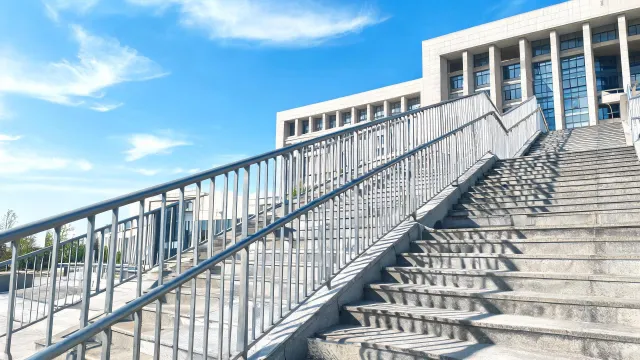
Municipal outdoor stair railing

Civic & Municipal Stairs

Public stairs prioritize graspable handrails, impact resistance, and inspection access. FE26 steel often wins for stiffness, while coatings must tolerate de-icing chemicals without chalking early. Fire resistance rating for adjacent walls stays with the architect; our role is transparent railing data and fastener corrosion notes for exterior embeds.

  • Handrail returns and extension guidance
  • High-traffic coating touch-up kits
  • Accessibility coordination with stair geometry

Selector Guide — Match System to Constraints

Check the constraints that dominate your elevation. This is a planning aid, not a code stamp; final selection still follows the AHJ and structural engineer.

Decision Side A Side B When Fortress documents either path
Material look Iron-inspired FE26 pickets — traditional mass, climbing resistance, higher lift weight Engineered AL13 aluminum — UV-stable finishes, lighter panels, less stiffness at tall spans Corrosion exposure, crane/labor budget, and property cleaning cadence
Infill type Picket privacy and climb resistance Axis cable / glass views with sphere-rule proof and tension or wipe-down O&M HOA view rules vs. child-safety climbing concerns
Build method Prefabricated cut packages — faster install, lot-controlled finishes Traditional field cut/fit — more flexibility when posts are out of plumb Schedule risk vs. substrate readiness on site
Green docs vs. budget Recycled content percentage sheets for metal when requested Code-minimum assemblies without premium green labels Voluntary reporting needs vs. hard cost caps—no inflated LEED claims

Neither iron-look steel nor engineered aluminum is universally better. Cable vs baluster arguments follow the same pattern—views versus privacy and climbing resistance. Selection tables above are planning aids; AHJ and engineer-of-record decisions still govern.

Tell Us Your Industry Constraints

Share occupancy type, wind exposure, preferred finish, and whether stairs or level decks dominate. We will recommend a Fortress system family and distributor path.