Specification-grade deck, stair, and cable railing systems · Partner since 2003

Fortress Railing Services That Clear Specs Before the Deck Crew Arrives

We help contractors, developers, and railing distributors translate FE26, AL13, Axis cable, and glass packages into cut lists, post layouts, and installer handoffs that survive inspection.

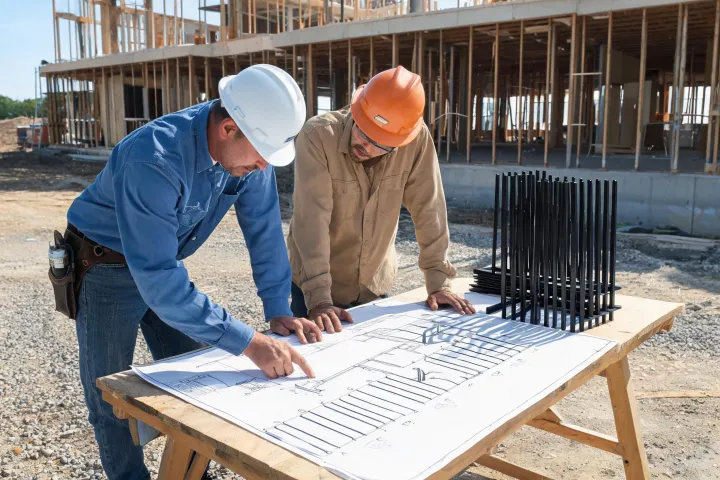
Fortress specialist reviewing railing cut sheets with contractor

Two Service Tracks for Project Teams

Choose the path that matches your schedule risk: early specification coaching or late-stage logistics when posts are already set.

Specification Coaching

We review deck elevations, stair geometry, and wind load rating notes, then recommend FE26 steel when concentrated load capacity matters or AL13 aluminum when coastal corrosion and weight are the priority. Submittal packages include finish codes, post spacing tables, and IRC sphere-rule reminders so architects and AHJs see the same numbers.

  • Cut-list templates for straight runs and stair flights
  • Finish lot tracking for Black Sand and satin powder coats
  • Glass vs cable trade-off notes for view corridors

Installer & Logistics Support

When schedules tighten, our desk routes orders through distributors and 380 certified installers who already stock common brackets and cable fittings. Staging plans call out dimensional stability of aluminum rails in heat and impact resistance expectations for public stair handrails.

  • Distributor inventory checks before pour or framing dates
  • Stair railing packaging sequenced by flight number
  • Field troubleshooting for cable tension and post plumb

Questions Estimators Ask Before They Commit

Axis cable layouts publish vertical spacing and post intervals so a 4-inch sphere cannot pass when cables are tensioned per the installation guide. Crews still verify after live loads settle the posts; project desk mock-ups since 2014 use the same sphere gauge method installers can repeat on site.

FE26 is preferred when load bearing capacity and stiffness for taller guardrails dominate (including 200+ lb concentrated-load pathways on top rails when installed per guide). AL13 wins on coastal decks where UV stability of the finish and lighter lifts for upper-story balconies cut labor hours—accepting that aluminum spans may need closer post spacing than steel for the same deflection feel.

Yes. Submittals annotate where local amendments exceed IRC/IBC baselines for guardrail height or wind load rating (including coastal notes approaching 110 mph assemblies when the engineer stamps them), and flag when glass panels need laminated interlayer notes for public terraces. Fortress does not stamp drawings—the engineer of record and AHJ remain the authority.

Product data sheets, finish samples (including Black Sand texture chips), fastener schedules, post attachment details for wood or concrete at common 72 in O.C. baselines, IRC 4-inch sphere reminders, and warranty period language for the selected powder coat family (select coats carry up to 25-year limited finish pathways).

Prefabricated Fortress packages win when posts are plumb, finish lots must match across buildings, and weather windows are short. Traditional field cut/fit still wins when substrates are warped or embeds sit out of tolerance. Many campuses use prefab for straight balcony repeats and keep field trim allowance on stair flights—disclose both so estimators do not assume zero field labor.

Before Spec Support vs After Fortress Coordination

Teams often arrive with mixed catalog pages and unclear post spacing. After a short coordination cycle, they leave with one system family, verified fasteners, and a sequenced delivery plan.

Before

  • Mixed steel and aluminum SKUs without finish lot control
  • Cable spacing guessed on site during framing punch lists
  • Stair flights ordered without graspable handrail confirmation
  • No wind load rating note for coastal elevations

After

  • Single Fortress system with documented post O.C. tables
  • Sphere-rule and tension checklist attached to the cut list
  • Stair packages labeled by flight with handrail returns
  • Coastal finish and wind notes captured in the submittal

Aluminum still trades some stiffness for weight savings, and cable systems still need disciplined tensioning—those limits stay visible in installation guides so buyers are not surprised at inspection. When sustainability mandates push recycled-content documentation, available recycled content percentage statements for metal components are issued rather than vague green claims. Service life expectancy assumptions assume routine cleaning of salt and de-icing residues; zero-maintenance guardrails are not marketed. To verify before a large buy: request finish samples, a cut-list template for one stair flight, and a project-desk call to walk sphere gauges and post spacing against your drawings—application engineers support mock-ups; they do not replace the structural engineer of record.
Request Spec Coaching or Installer Routing

Tell us whether you need early FE26/AL13 selection help or a late logistics push for stair and cable packages. Include city, AHJ notes, and target inspection date.

  • Response through project desk or local distributor
  • Cut-list and finish confirmation
  • Installer referral when available in your market